Unlocking the genome of the African Cassava Whitefly
Researchers have sequenced and annotated the genomes of six whitefly species including African Cassava Whitefly, giving clear insights into this global pest
Summary
- Scientists have sequenced the genomes of six whitefly species, including the notorious African Cassava Whitefly
- Whiteflies cause damage and transmit plant-virus diseases to some of the world’s major food crops
- Open access to these whitefly genomes enables researchers to further understand this pest and to create genetically engineered crops resistant to whitefly
1 March 2020, Cambridge – Researchers at EMBL’s European Bioinformatics Institute (EMBL-EBI), the Natural Resources Institute (NRI) University of Greenwich, and their project partners have sequenced and annotated the genomes of six species of whitefly and made them freely available through Ensembl Metazoa.
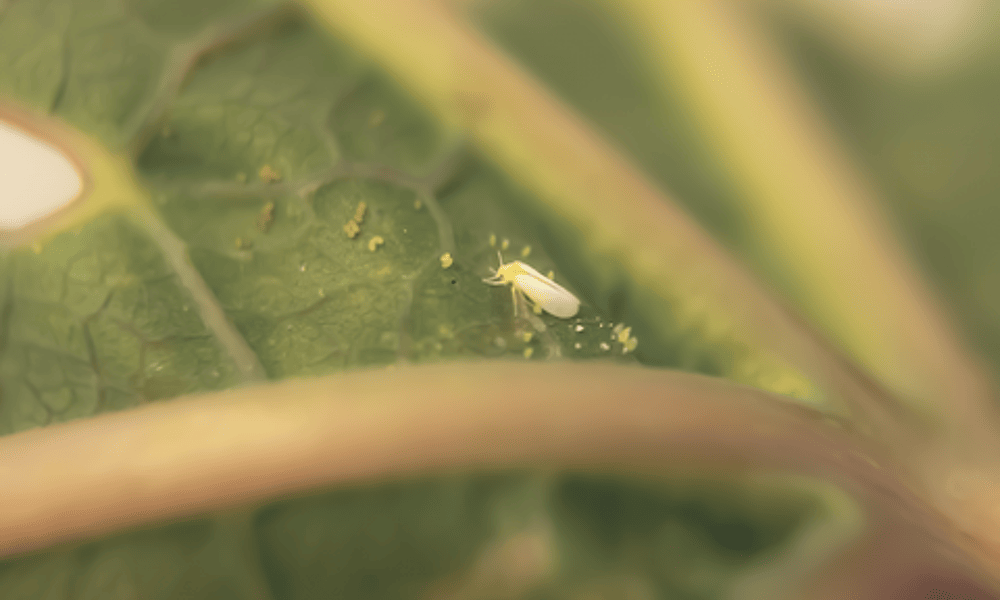
Whitefly, Bemisia tabaci, is a global crop pest causing damage to plants and spreading disease. This tiny insect – an adult measures just 1 mm in length – regularly causes billions of dollars’ worth of damage to crops such as cassava, cotton, tomatoes and beans, and threatens food security in the developing world.
This work is part of the African Cassava Whitefly Project led by the NRI, which aims to improve our understanding of whitefly and why they have become a globally important pest. Having access to whitefly genomes will hugely expand our understanding of the species’ complexities. It gives scientists the information they need to genetically engineer crops to defend themselves from damage or disease caused by whitefly, eliminating the need for farmers to use harmful pesticides.
Unlocking the Whitefly genome
“It is infinite,” says John Colvin, Professor of Entomology and Plant-Virus Epidemiology at NRI. “It’s like freeing the genie in the bottle and being able to ask it whatever questions we like, on anything to do with the whitefly. We can now do huge amounts of science, looking at why this one transmits viruses, why this one doesn’t, what are the interactions between the viruses and the proteins in the insect, why does it feed on cassava, why don’t the cassava defence chemicals kill it and so on. Once you have this resource – the genome – it’s all about how you use it. Finding it is like releasing the information bottleneck.”
Improving major food crops
“This has been a wonderful opportunity to apply basic science to a real world problem,” says Gareth Maslen, Ensembl Genomes Vector Project Manager “Using bioinformatics to analyse the whitefly genomes will allow us to isolate many new leads in making plants resistant to attack by insects and the plant pathogens that they carry. The free provision of this data to researchers worldwide will speed up research, and help lead to sustainable improvements in productivity for one of the world's major food crops.”
The people who rely on cassava – one of the crops blighted by whitefly – are those in developing countries who use it as a food source in times of drought and hardship. In terms of the wider impact, the whitefly are also a huge problem throughout the United States, Europe, Asia and Australia, causing problems for farmers growing cotton, peppers, aubergines, cucumbers, pumpkin, okra and sweet potato.
“Insect vector genomes are playing an ever-increasing role in food security efforts,” says Andy Yates, Team Leader at EMBL-EBI. “These genomic resources will be transformative in improving the health and wellbeing of over 800 million people around the world who rely on cassava as a food crop. Integration into large-scale analysis and visualisation platforms such as Ensembl is key to these efforts.”
Edit